- All
- Product Name
- Product Keyword
- Product Model
- Product Summary
- Product Description
- Multi Field Search

Views: 220 Author: snkidsunderwear Publish Time: 2025-12-08 Origin: Site


Content Menu
● Understanding Children's Skin Sensitivity
>> The Delicate Nature of Children's Skin
>> Common Skin Issues in Children
● The Role of Fabric in Skin Health
>> Natural vs. Synthetic Fabrics
>>> Benefits of Natural Fabrics
>>> Drawbacks of Synthetic Fabrics
● Hygiene Practices for Healthy Skin
>>> Washing Tips
● Choosing the Right Underwear
>> Allergies and Sensitivities
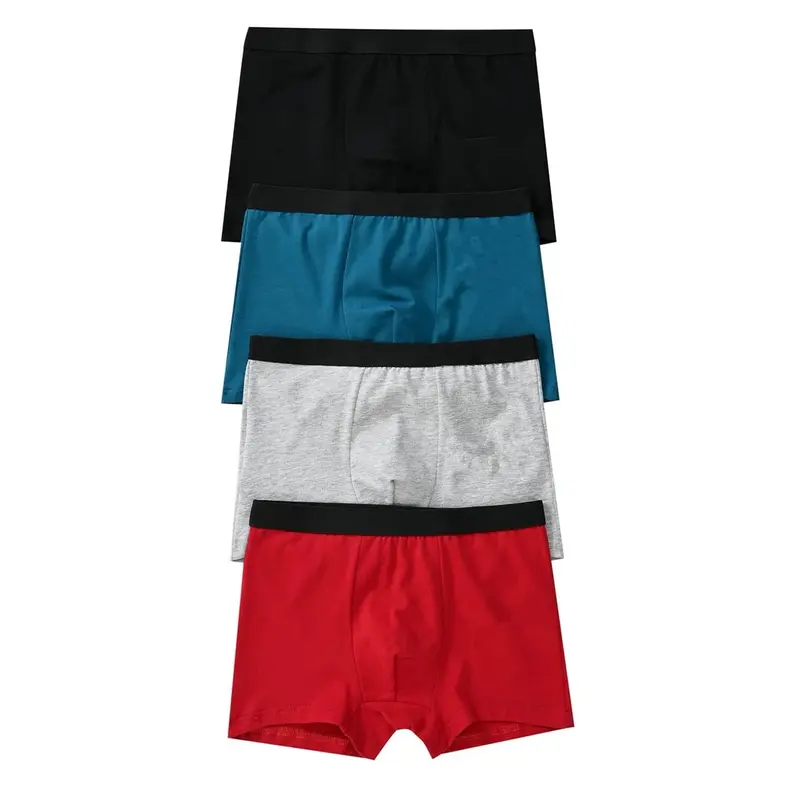
Children's skin is notably more delicate than that of adults, making it crucial to consider the materials and fit of their underwear. This article explores how underwear bottoms can affect children's skin health, focusing on common issues such as irritation, allergies, and the importance of choosing the right fabrics.

Children's skin is thinner and more sensitive than adult skin, which makes it more susceptible to rashes, allergies, and irritants. The epidermis, or outer layer of skin, in children is not as fully developed, leading to increased vulnerability to environmental factors. This sensitivity can manifest in various ways, including redness, itching, and discomfort.
1. Rashes: These can occur due to friction, moisture, or irritants in clothing.
2. Eczema: A chronic condition that can be exacerbated by certain fabrics and detergents.
3. Allergic Reactions: Some children may react to dyes, chemicals, or synthetic materials used in underwear.
The choice of fabric plays a significant role in children's skin health. Natural fibers like cotton are generally more breathable and less likely to irritate sensitive skin compared to synthetic materials such as polyester or nylon.
- Breathability: Natural fibers allow air circulation, reducing moisture buildup that can lead to rashes.
- Hypoallergenic Properties: Fabrics like organic cotton are less likely to cause allergic reactions.
- Comfort: Soft, natural materials provide a more comfortable fit, reducing the likelihood of chafing.
- Heat Retention: Synthetic materials can trap heat and moisture, leading to discomfort and skin irritation.
- Chemical Exposure: Many synthetic fabrics are treated with chemicals that can irritate the skin or cause allergic reactions.
The fit of underwear is just as important as the fabric. Underwear that is too tight can cause chafing and restrict blood flow, leading to discomfort and potential skin issues.
- Constant Fidgeting: If a child is frequently adjusting their underwear, it may be too tight.
- Red Marks: Indentations on the skin can indicate that the underwear is constricting.
- Rashes: Areas of irritation around the waistband or leg openings can signal that the fit is not appropriate.
Maintaining proper hygiene is essential for preventing skin issues. Underwear should be washed regularly to remove bacteria and irritants.
- Use Gentle Detergents: Opt for hypoallergenic detergents that are free from harsh chemicals and fragrances.
- Separate Washing: Wash underwear separately from other clothing to prevent cross-contamination with irritants.
How underwear is dried can also impact skin health. Avoiding fabric softeners and opting for air drying can help maintain the integrity of the fabric and reduce chemical exposure.
When selecting underwear for children, consider the following features:
1. Material: Choose breathable, natural fabrics like organic cotton.
2. Fit: Ensure the underwear is not too tight and allows for movement.
3. Seam Design: Look for seamless or flat seams to minimize irritation.
Several brands focus on creating skin-friendly underwear for children. These brands prioritize natural materials and thoughtful design to enhance comfort and reduce skin issues.
If a child has known allergies or sensitivities, it is crucial to choose underwear that is specifically designed for sensitive skin. Look for certifications such as OEKO-TEX, which indicates that the product has been tested for harmful substances.
For children who experience bedwetting, the choice of absorbent underwear can impact skin health. Prolonged exposure to moisture can lead to rashes and irritation. It is essential to change wet underwear promptly and consider breathable options that wick moisture away from the skin.
The impact of underwear bottoms on children's skin health is significant. By choosing the right materials, ensuring a proper fit, and maintaining good hygiene practices, parents can help protect their children's delicate skin from irritation and discomfort. Awareness of the potential issues associated with different fabrics and fits can lead to healthier choices for children's underwear.
1. What materials are best for children's underwear?
- Natural fabrics like organic cotton are best as they are breathable and hypoallergenic.
2. How can I tell if my child's underwear fits properly?
- Look for signs like constant fidgeting, red marks, or rashes around the waistband or leg openings.
3. What should I do if my child develops a rash from their underwear?
- Change to a softer, breathable fabric and consult a pediatrician if the rash persists.
4. How often should I wash my child's underwear?
- Underwear should be washed after each use to prevent bacteria buildup.
5. Are there specific brands that cater to sensitive skin?
- Yes, brands that focus on organic materials and hypoallergenic designs are ideal for sensitive skin.
Hot Tags: China, Global, OEM, private label, manufacturers, factory, suppliers, manufacturing company


