- All
- Product Name
- Product Keyword
- Product Model
- Product Summary
- Product Description
- Multi Field Search

Views: 220 Author: snkidsunderwear Publish Time: 2025-10-21 Origin: Site


Content Menu
● Understanding the Tween Market: Who Are Tweens?
>> The Growth of Tween Consumers
>> Differences Between Children's and Tween Underwear Needs
● Key Trends Shaping the Future of Tween Underwear
>> Increasing Demand for Sustainable Fabrics
>>> Organic Cotton and Bamboo Fibers
>>> Recycled and Upcycled Materials
>> Enhanced Comfort Through Technology
>>> Moisture-Wicking and Antimicrobial Properties
>>> Seamless and Tagless Designs
>> Style and Self-Expression in Tween Underwear
>>> Character and Licensed Designs
>> Inclusivity and Body Positivity in Tween Underwear
>>> Gender-Neutral and Diverse Sizing Options
>>> Advertising Reflecting Real-World Diversity
>> Smart Underwear: The Rise of Wearable Technology
>>> Embedded Health and Activity Sensors
>>> App Integration for Parental Monitoring
● Strategies for Brands to Capitalize on Future Trends
>> Prioritize Sustainability Messaging
>> Focus on Fit and Comfort Innovations
>> Engage Tweens in Design and Marketing
>> Promote Inclusivity Through Product Lines and Campaigns
>> Explore Smart Underwear Opportunities Cautiously
● Challenges Facing the Tween Underwear Market
>> Managing Changing Body Shapes
>> Sensitivity Around Marketing
>> Competing with Fast Fashion and Low-Cost Alternatives
● Conclusion: The Future Is Bright for Tween Underwear
● Frequently Asked Questions About Tween Underwear
Tween underwear is a crucial yet often overlooked segment of children's apparel. As tween consumers are growing more aware, fashion-forward, and comfort-driven, the future of tween underwear is evolving dramatically. This article explores key trends shaping this market, from material innovations to sustainability, inclusivity, and tech integration. Understanding these trends will help brands, parents, and retailers anticipate market demands and preferences in the next decade.
Tweens, typically defined as children aged 8 to 12 years, are in a unique transitional phase between childhood and adolescence. This group demands underwear that balances comfort, style, fit, and functionality. Unlike younger children's underwear, tween underwear must address growing bodies and emerging preferences influenced by peer culture and media.
Tweens are becoming independent shoppers with strong brand awareness. They influence family purchase decisions and often prefer products that reflect their personality and values. Underwear has moved from being a mere basic necessity to a personal fashion statement within this segment.
- Size and Fit: Tweens require specialized sizing to accommodate growth spurts and developing bodies.
- Design Aesthetics: More mature styles, patterns, and colors are now in demand.
- Comfort and Fabric: Breathability and softness are prioritized to suit active lifestyles.
Environmental consciousness is not limited to adults. Tween consumers and their parents are increasingly favoring sustainable and eco-friendly underwear options.
Organic cotton and bamboo are leading materials due to their reduced environmental impact and superior softness. Brands using these fibers emphasize biodegradability and chemical-free production processes.
Some brands now create underwear from recycled polyester and upcycled textiles, reducing waste and conserving resources. This trend resonates strongly with eco-conscious families.
Comfort is a central priority, and advancements in textile technology are improving the wearing experience for tweens.
Innovations in fabric technology allow underwear to wick away sweat, reducing discomfort and odors. Antimicrobial treatments further enhance hygiene, especially important during physical activities.
Seamless construction and tagless labels prevent irritation, making underwear more comfortable for sensitive tween skin. These features are increasingly standard in premium tween underwear.
Tweens are eager to express their individuality, and underwear design reflects this shift.
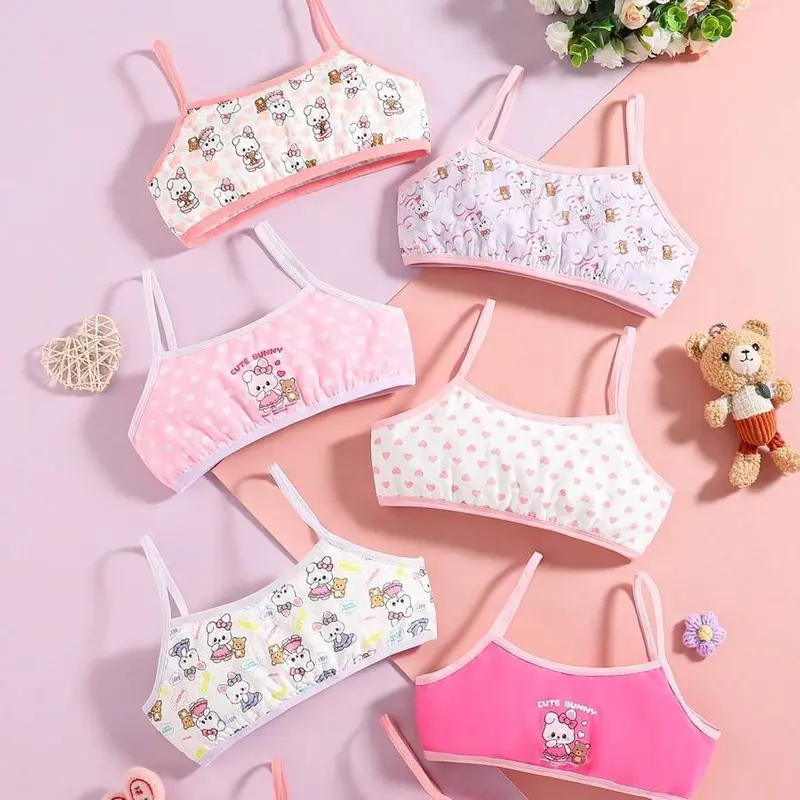
Beyond plain basics, tween underwear features vibrant prints inspired by pop culture, animals, and geometric shapes. Color choices range from pastels to bold neons, catering to diverse preferences.
Underwear featuring popular cartoon characters, movies, and celebrities remains popular. This licensing strategy helps brands tap into tween fandoms and trends.
The tween market increasingly values inclusivity and diversity.
Brands are expanding their size ranges and offering gender-neutral underwear options to better serve every child's needs and promote acceptance.
Marketing campaigns showing tweens of all body types, ethnicities, and abilities foster a positive self-image and resonate well with modern consumers.
Cutting-edge technology is entering the tween underwear space, offering new functionality.
Some innovative underwear designs now include sensors that track movement, posture, and even hydration levels, helping tweens monitor their health in real time.
Paired with smartphones, smart underwear apps allow parents to receive health insights, ensuring their children's well-being without intrusive check-ins.
Brands aiming to succeed in the tween underwear market must embrace these evolving trends strategically.
Clear communication about eco-friendly materials and practices builds trust among parents and tweens, who are increasingly values-driven buyers.
Investing in advanced fabrics and ergonomic designs will differentiate brands in a crowded marketplace.
Involving tween consumers in product development via social media polls or focus groups ensures relevance and enhances brand loyalty.
Offering diverse product ranges and inclusive promotions positions brands as allies of body positivity and diversity.
While promising, smart underwear should balance tech features with comfort and affordability to avoid alienating core consumers.
Tween bodies change rapidly, requiring flexible designs and adjustable sizing options.
Underwear marketing must be age-appropriate, balancing fun, fashion, and education without sexualizing young consumers.
Affordable alternatives often drive tween purchases, so brands must find ways to offer value without compromising quality.
The tween underwear market is evolving rapidly with trends centered on sustainability, comfort, style, inclusivity, and technology. Brands that listen to tween voices and adapt to these preferences will thrive. As tweens develop unique identities and expectations, underwear will remain a pivotal part of self-expression and daily comfort, driving innovation and growth well into the future.

Q1: What materials are best for tween underwear?
A1: Organic cotton, bamboo, and moisture-wicking synthetic blends offer softness, breathability, and sustainability, making them ideal for tweens.
Q2: How can parents ensure comfortable fit for their tween?
A2: Measure your child's waist and hips regularly and choose brands that offer flexible sizing and stretchy fabrics to accommodate growth spurts.
Q3: Are gender-neutral underwear options available for tweens?
A3: Yes, many brands now offer gender-neutral styles that focus on comfort and design without traditional gendered colors or cuts.
Q4: What are the benefits of seamless and tagless tween underwear?
A4: These designs reduce irritation and chafing, which is especially important for active tweens with sensitive skin.
Q5: Is smart underwear safe and effective for children?
A5: Smart underwear with health sensors is generally safe but should be used alongside parental guidance, focusing on non-intrusive monitoring and comfort.
Hot Tags: China, Global, OEM, private label, manufacturers, factory, suppliers, manufacturing company


