- All
- Product Name
- Product Keyword
- Product Model
- Product Summary
- Product Description
- Multi Field Search

Views: 220 Author: snkidsunderwear Publish Time: 2025-10-29 Origin: Site


Content Menu
● Understanding the Value of a Top Manufacturer
● Key Benefits for Parents and Retailers
● Fabric Considerations for Boy Underwear Sets
● Construction and Design Aspects
● Quality Assurance and Compliance
● Private Label and Brand Support
● Sustainability and Ethical Considerations
● Evaluating Potential Partners
● Collaboration Beyond the Sale
● FAQs
Choosing the right underwear sets for boys is more than a matter of comfort; it reflects quality, safety, and long-term value. Parents want fabrics that are gentle on the skin, durable stitching that withstands active play, and designs that promote healthy development. Working with a top manufacturer ensures you get products that meet stringent standards, offer reliable supply, and provide support through the product lifecycle. This article explores why partnering with a top underwear manufacturer matters for boys, what to look for in terms of materials, construction, and service, and how to evaluate options to make an informed decision.
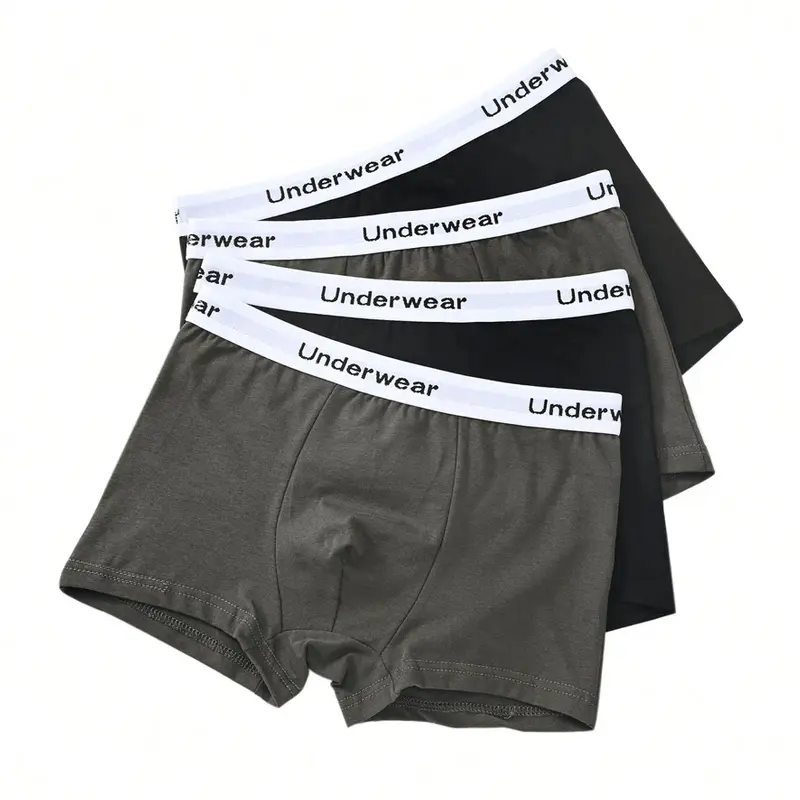
The decision to work with a leading underwear manufacturer goes beyond price. Top manufacturers bring expertise across design, fabric science, and compliance. They invest in research and development to create fabrics that are breathable, moisture-wicking, and soft to the touch. Their production facilities typically adhere to international quality management systems, ensuring consistent quality across batches. A trusted partner can also offer scalable production, enabling timely launches of new styles or seasonal ranges without sacrificing quality.
- Comfort and skin health: High-quality fabrics such as combed cotton, organic cotton, or blended fibers with gentle elastics minimize irritation and support healthy growth.
- Durability and fit: Strong stitching, reinforced seams, and ergonomic cuts maintain fit through countless washes and active days.
- Safety and compliance: Reputable manufacturers comply with safety standards for children's apparel, reducing exposure to harmful chemicals and ensuring appropriate labeling.
- Consistent sizing: A top partner provides reliable size grading and consistent production tolerances, simplifying inventory planning for retailers.
- Customization options: Leading manufacturers often offer private label opportunities, allowing brands to differentiate with distinctive waistband designs, prints, or packaging.
- Natural fibers for softness: Cotton remains a preferred base due to softness, breathability, and ease of care. Look for long-staple or combed cotton for a smoother surface.
- Blends for performance: Cotton-poly blends can improve stretch and durability while retaining comfort. Modal or bamboo blends may offer enhanced softness and moisture management.
- Moisture control: Fabrics with moisture-wicking properties help keep skin dry during physical activity, reducing discomfort.
- Flatlock and overlock stitching: To minimize irritation, flat seams or covered seams reduce friction against sensitive skin.
- Elastic quality: Elastics should provide a secure fit without digging in. Look for washed or pre-shrunk elastics to maintain size after washing.
- Waistband design: Wide, non-abrasive waistbands distribute pressure evenly and improve comfort during long wear.
- Tag-free interiors: To avoid skin irritation, many top manufacturers offer tear-away or printed care labels on the inside.
- Size ranges: Ensure the manufacturer offers a broad size range that aligns with your market. Consistent size grading helps with inventory planning.
- Fit options: Consider a mix of traditional briefs, trunks, and boxer styles to suit varying preferences and activities.
- Wash testing: Reputable manufacturers perform multiple wash cycles to verify colorfastness, shrink resistance, and fabric integrity.
- Certifications: Look for certifications such as Oeko-Tex Standard 100 or GOTS for organic fibers, depending on material choices.
- Chemical safety: Ensure minimal use of Azo dyes and other restricted chemicals in line with regional regulations.
- Lab testing: Independent lab tests for pH, irritants, and colorfastness help guarantee product safety.
- Documentation: Ensure access to test reports, material disclosures, and manufacturing process documentation when needed.
- Production capacity: Confirm that the manufacturer can meet demand peaks and offer contingency planning for delays.
- Lead times: Clear lead times help with inventory management and seasonal launches.
- Minimums and scalability: Understand minimum order quantities and options to scale up without compromising quality.
- Quality control checkpoints: Regular inline inspections and final audits minimize defect rates.
- Design collaboration: Top manufacturers often collaborate on design tweaks, prints, and packaging that reinforce brand identity.
- Packaging solutions: Consider ready-to-sell packaging, including eco-friendly options, that aligns with your brand's sustainability goals.
- Intellectual property: Ensure clear terms regarding design ownership and usage rights when commissioning private label products.
- Sustainable materials: Exploring organic cotton or recycled fibers can appeal to environmentally conscious consumers.
- Ethical production: Transparent factory audits and labor standards reassure buyers about ethical manufacturing practices.
- Waste reduction: Efficient cutting plans and minimal packaging waste contribute to a greener product line.
- Portfolio review: Examine their existing product lines to assess quality consistency and design capabilities.
- Factory tour or virtual verification: Where possible, visit facilities or request a virtual tour to assess equipment, workflow, and cleanliness.
- References and audits: Speak with current clients or request third-party audit reports for performance and reliability insights.
- Samples: Request product samples across sizes and styles to evaluate comfort, fit, and durability firsthand.
A top underwear manufacturer can be a strategic partner, offering market insights, trend forecasts, and seasonal product development support. Strong communication, responsiveness, and a proactive approach to problem-solving help ensure a smooth relationship over time.
For brands expanding internationally, a top manufacturer should be able to tailor sizing standards, packaging, and labeling to regional requirements. They should also have multilingual support and robust logistics networks to reduce delays and complexity in cross-border shipments.
- Myth: All cotton underwear is equally comfortable. Reality: Fabric quality and finishing make substantial differences in feel and performance.
- Myth: Higher price always means better quality. Reality: Value comes from a combination of materials, construction, testing, and service.
- Myth: Private labeling is unnecessary for growing brands. Reality: Private labeling can enhance brand equity and streamline packaging and presentation.
- Define requirements: Clarify target markets, sizes, materials, and sustainability goals.
- Shortlist manufacturers: Use criteria like certifications, past performance, and sample quality.
- Test phase: Run a pilot order to assess quality, lead times, and communication.
- Scale: Establish MOQ agreements, forecast planning, and ongoing quality assurance processes.
- What certifications should I look for in a top underwear manufacturer?
- How can I verify a supplier's sustainability claims?
- What is the typical lead time for a new underwear line?
- Do top manufacturers offer private labeling, and what are the costs?
- How many wash cycles should fabric withstand before showing wear?
- What materials are best for sensitive skin in children?
- How important are flat seams in reducing irritation?
- Can manufacturers accommodate custom waistband designs?
- How can I ensure consistent sizing across batches?
- What questions should I ask about packaging and branding?

Partnering with a top underwear manufacturer for boys offers tangible advantages in comfort, safety, durability, and brand support. By prioritizing material quality, construction standards, compliance, and reliable supply, you can build a product line that meets parental expectations and supports healthy development. A collaborative approach that includes testing, clear communication, and sustainability considerations will strengthen your position in the market and foster lasting relationships with retailers and consumers alike.
Hot Tags: China, Global, OEM, private label, manufacturers, factory, suppliers, manufacturing company


